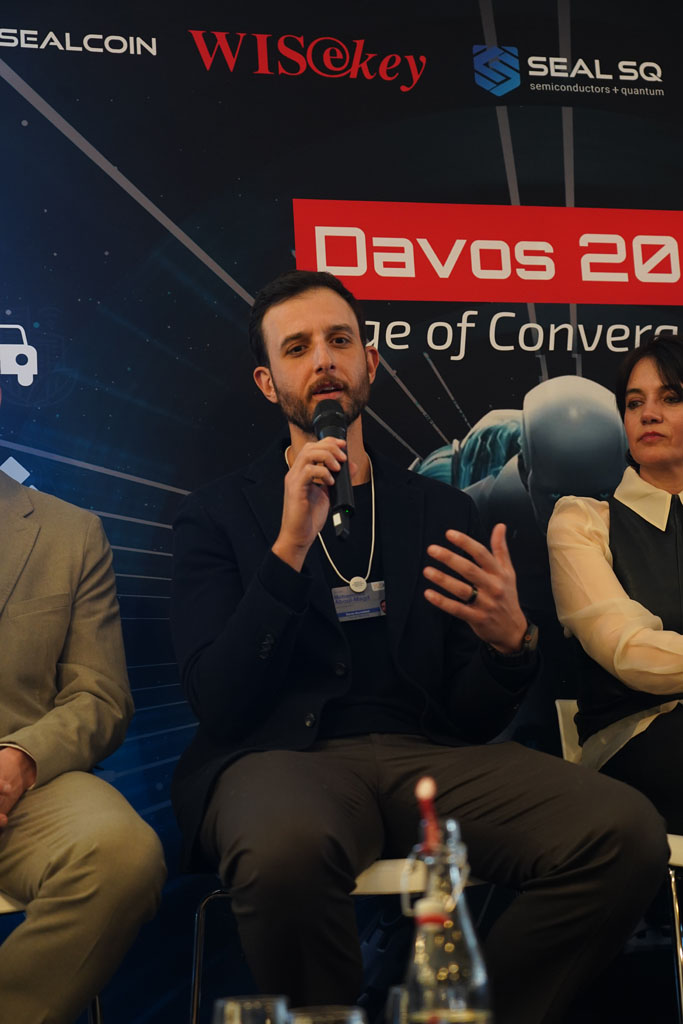
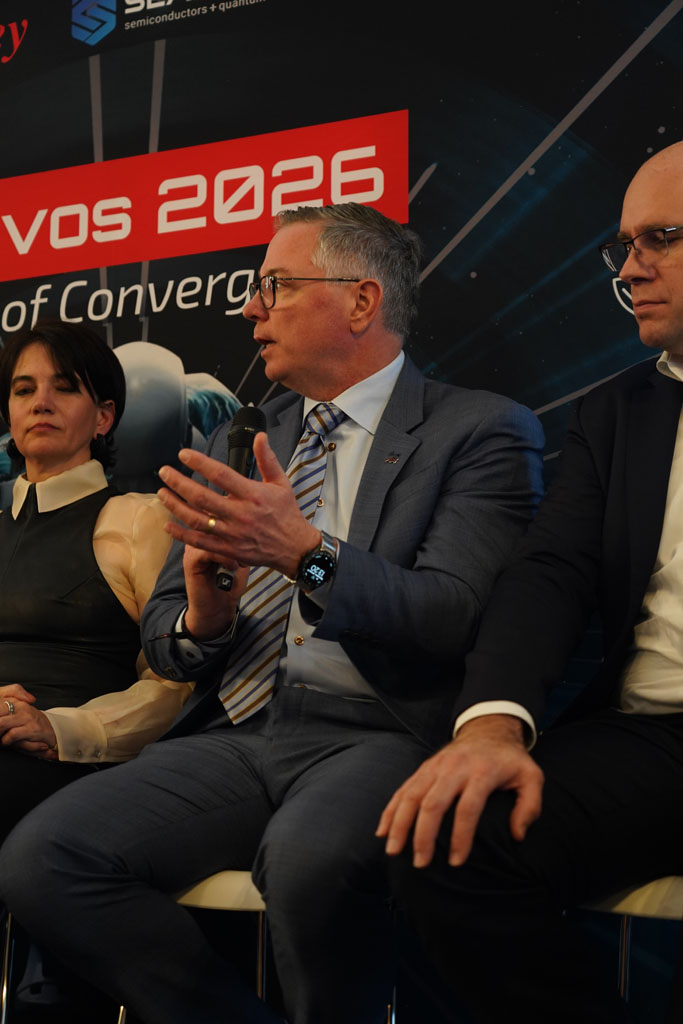
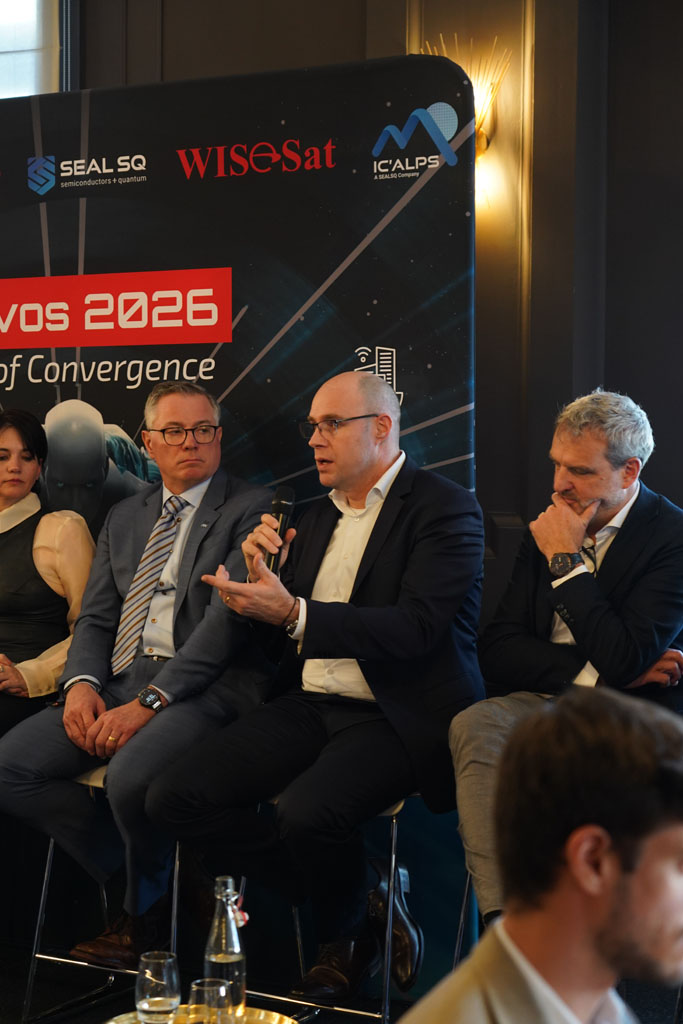
Quantum Space
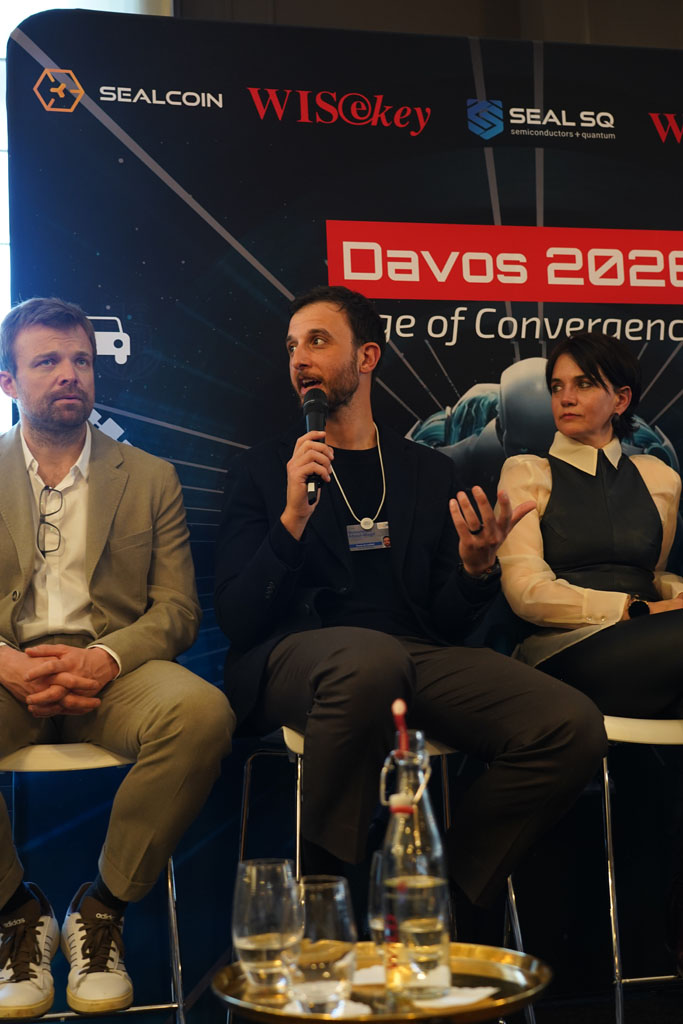
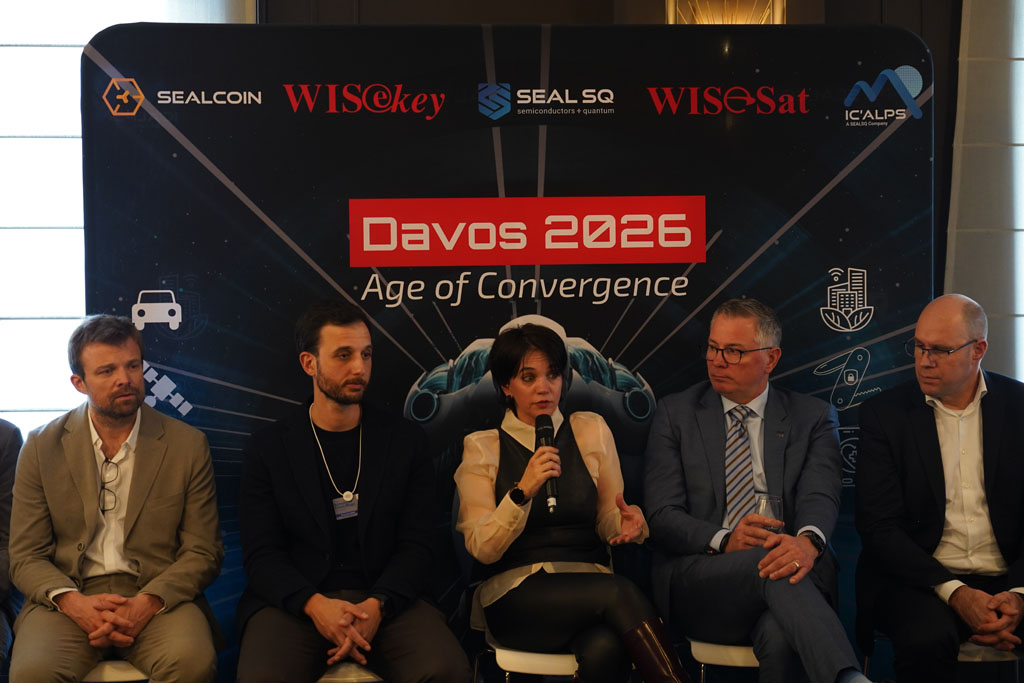
The Quantum Space Roundtable explores the convergence of quantum technologies and space infrastructures to create the next generation of secure, resilient, and sovereign global systems. As quantum computing, quantum communication, and satellite-based networks progress rapidly, this roundtable addresses how space will become the critical platform for deploying, protecting, and scaling quantum-enabled capabilities.
This session positions Quantum Space as the foundation for a future global architecture where quantum-safe security, space-based quantum connectivity, and orbital quantum computing work together to strengthen global resilience.
Core Themes
1. Quantum-Safe Technologies for Global Resilience
- Deployment of post-quantum cryptography (PQC) in satellites and ground stations
- Quantum-resistant identity, authentication, and secure key distribution
- Building global trust frameworks for quantum-era communications
2. Space as the Backbone of Quantum Connectivity
- Quantum-secure communication channels
- Interoperable global key distribution networks
- Resilient connectivity for AI, IoT, defense, and financial systems
This includes the transition from today’s classical satellite links to space-based quantum communication, such as Quantum Key Distribution (QKD) and entanglement-enabled technologies.
3. Bringing Quantum Computers to Space
- Enhance the performance of quantum processors (lower temperatures, reduced noise)
- Enable ultra-secure cloud-based quantum computing accessible worldwide
- Power new capabilities in climate modeling, defense, AI acceleration, and cryptanalysis
This marks the beginning of Space-Based Quantum Computing as a strategic asset.
Strategic Goals of the Roundtable
A. Identify Alliances & Coalitions
- Space agencies
- Semiconductor and PQC companies
- Satellite and constellation operators
- AI and cybersecurity institutes
- International and multilateral bodies
B. Define Joint Projects & Demonstrators
- Quantum-safe satellite constellations
- Space-based PQC testbeds
- Orbital quantum computing demonstrators
- Global standards for quantum-secure communication
- Shared European, Middle Eastern, and international quantum-space infrastructures
C. Establish a Roadmap for a Trusted Quantum Space Ecosystem
- Technology certification and standardization
- Regulatory and sovereignty considerations
- Investment frameworks and public–private partnerships
- Security and ethical principles for quantum-space applications

Carlos Moreira
Founder & CEO of WISeKey
Honored to Speak on Yahoo Finance About Quantum Computing’s Impact on Formula 1
I had the pleasure of joining Yahoo Finance to discuss how quantum computing is transforming the future of Formula 1 and, more broadly, the entire landscape of high-performance engineering.
Watch the segment here:
https://finance.yahoo.com/video/quantum-computing-changing-face-formula-152851667.html
- Quantum acceleration for high-fidelity simulations F1 teams rely on millions of simulations to optimize aerodynamics, fuel strategy, and race dynamics. Quantum-enhanced models will dramatically increase both speed and accuracy, giving teams unprecedented predictive power.
- Hybrid quantum–classical workflows I emphasized that the future is not quantum versus classical, but quantum plus classical. High-performance computing, embedded secure chips, and quantum-resistant algorithms will work together as a unified ecosystem.
- Semiconductors as the foundation of the quantum era With initiatives in post-quantum chips, personalization centers, and secure IoT architectures, we are building the hardware backbone that will enable these quantum-driven applications — not only in motorsport, but also in space, healthcare, logistics, and national security.
The rise of quantum computing will impact every sector where milliseconds matter — and Formula 1 is the perfect proving ground.
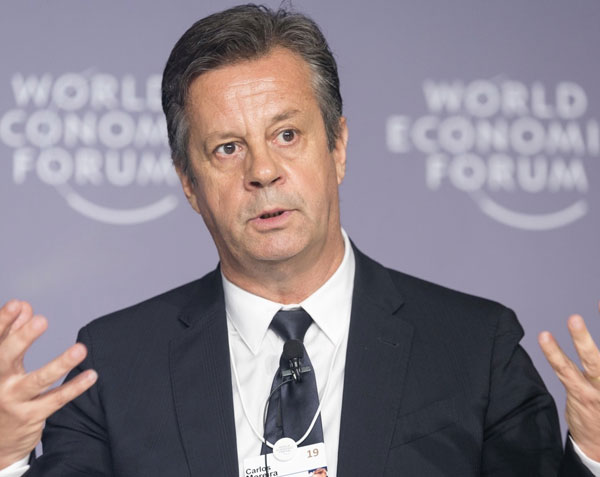
Carlos Creus Moreira
Founder, Chairman and CEO at WiseKey

Carlos Moreira began his career as a UN expert on IT, eSecurity and Trust Models, working for ILO, UN, UNCTAD, ITC/WTO, World Bank, UNDP, ESCAP from 1983 to 1998. A recognized early stage pioneer in the field of digital identity, he was also Adjunct Professor of the Graduate School of Engineering Royal Melbourne Institute of Technology from 1995 to 1999 as well as Head of the Trade Efficiency Lab at the Graduate School of Engineering at RMIT.
In 1999, he founded the Geneva-based online data security firm WISeKey, where he currently serves as Chairman and CEO. Mr Moreira’s unique profile, which combines extensive high level international diplomacy experience and emerging technologies expertise, has positioned him as a distinctive authority, thought leader, and entrepreneurial force in today’s digital world where the acquisition and trusted protection of a digital identity has become an essential step for citizens and entities across the globe. He is a Member of the UN Global Compact, Member of the World Economic Forum’s Global Agenda Council, Founding Member World Economic Forum Global Growth Companies.
Topic: “Securing the Future with Exponential Technologies”
Carlos will focus on the growing importance of cybersecurity in the era of exponential technologies, highlighting how blockchain, IoT, and AI are transforming security landscapes. He will explore how WISeKey’s innovations, including post-quantum cryptography, are safeguarding AI and critical infrastructures globally.

Carlos Moreno
Vice President Corporate Alliances and Partnerships at WISeKey
Mr. Moreno has more than 18 years experience in Sales Engineering, Sales Management and Business Development. He has worked extensively on strategic projects for both national and multinational companies in the financial and industrial sectors throughout his career. He has held executive roles in the areas of people management, sales coaching, market analysis, establishment and implementation of account plans. In his role in WISeKey, he oversees commercial relationships with strategic customers and helms market analysis and go-to-market strategies He has also contributes to the the design of solutions and architectures in projects related to infrastructure, data, applications, security, and dentity management, and the overall evolution of WISekey’s product suite. He oversees complex selling related to new technologies.

María Pía Aqueveque Jabbaz
Technologist & Systems Architect In AI Governance
María Pía Aqueveque Jabbaz is a systems architect and strategist specializing in AI governance, cryptographic integrity, and the design of future financial and digital infrastructures. Her background in token economics and digital asset architecture informs her work on how value, incentives, and power are encoded into technological systems.
Recognized internationally, she has been named among the 100 Women of the Future, Top 5 Pioneering Women in Business (CIO Times), and a Top Voice in Blockchain & Crypto in Latin America (Bloomberg Línea). She has served on boards of technology and cybersecurity companies across Europe and the United States, as well as financial institutions in Latin America, and has advised governments, pension funds, central banks, multilateral development banks, and regulated financial institutions.
Her work bridges AI, cryptography, governance, and financial systems, focusing on how economic incentives, accountability, and trust can be engineered directly into technological infrastructure. She has published more than 80 opinion columns across Latin America and Europe on digital governance, innovation, and the geopolitics of technology, and has taught at institutions including Harvard University, Bocconi University, the Pontifical Catholic University of Chile, and EGADE Business School.
She currently focuses on verifiable governance infrastructures for AI, finance, and digital assets — where integrity is no longer assumed, but cryptographically proven.
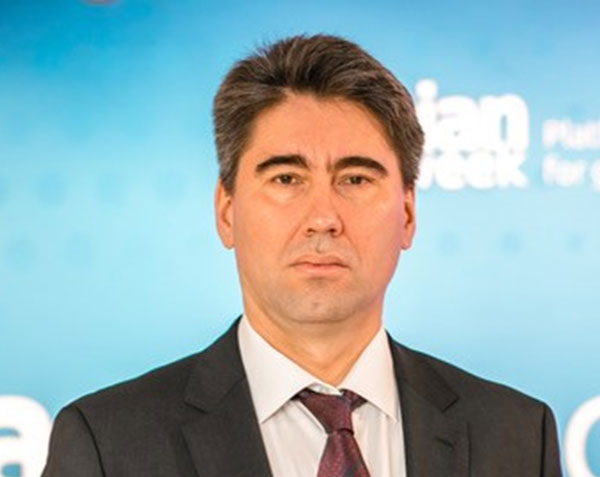
Murat Seitnepesov
Chairman of the Organizing Committee, Caspian Week Forum; Chairman of the Board, Integral Group
As a multifaceted executive grounded in the principle of ‘doing the right things,’ Murat Seitnepesov is respected for founding Integral Group of Companies across 8 countries (www.integral-group.org) and for steering the organization of the Caspian Week Forum (www.caspianweek.org) and the activity of the Greater Caspian Association (www.greater- caspian.org). These endeavors have greatly improved recognition and the connectivity of the Greater Caspian Region (GCR) and expanded the exportation of various commodities, critically important for the Global Food and Energy Security programs, while implementing emerging digital technologies and strong global partnerships to improve logistical efficiency and environmental sustainability. An expert on the Greater Caspian Region, he’s a frequent speaker at the World Economic Forum (www.weforum.org) and Horasis – The Global Visions Community (www.horasis.org).Since 2017, Murat has served as Chairman of the Organizing Committee of the Caspian Week Forum, a meeting point of visionaries, market leaders, and experts with the focus on GCR as a vital element of the future global society and economy. Caspian Week promotes connectivity between the GCR and the rest of the world by enabling and facilitating trade. This initiative led to foundation of the Greater Caspian Association in 2019, where Murat leads members to introduce innovations, build mutually-beneficial relationships, and leverage new technologies in order to enhance logistics, marketing, and ecological health.In 2008, Murat founded the Integral Group of Companies across Switzerland, Great Britain, UAE, Turkmenistan, Azerbaijan, Uzbekistan, Tajikistan, Kazakhstan, and Turkey as the organization’s Managing Director and Chairman of the Board. Integral Group is one of the largest exporters and logistics providers for crude oil, petroleum products, fertilizers, sulphur and polymers from the Caspian Region and Central Asia. The Group works with top multinational corporations and regional players and helps oilfield operators and refined products importers reach the international market. Thanks to strong partnerships with industry heavyweights and powerful resources worldwide, Integral Group boasts uniquely reliable logistics infrastructure, highly innovative strategies, and an environmentally-friendly supply of commodities.Integral Group recently launched the world’s first B2B Marketplace for regional commodities, which enables buyers from all over the world to find and purchase GCR commodities online. In addition, Integral Group builds startups and leads digital technology initiatives involving artificial intelligence (AI), data management (DM), machine learning (ML), Internet of things (IoT), and Blockchain.
As an industry-respected thought leader and subject-matter expert on the Caspian region, Murat has delivered many compelling presentations and speeches. For the World Economic Forum, he engages the foremost political, business, cultural, and other leaders of society to shape global, regional, and industry agendas. For Horasis – The Global Visions Community, Murat shares his vision for a sustainable future while championing robust solutions, principled leadership, and global community building. Murat also a Member of the Board of Joint Chamber of Commerce Switzerland – Eastern Europe, Central Asia, South Caucasus (https://jointchambers.ch).
Always demonstrating purpose-driven leadership, Murat serves on the Patronage Committee of EurAsia Heart Foundation (https://eurasiaheart.ch), consisting of European doctors and nurses who are constantly travelling to perform complex cardiac surgery for children in the GCR countries in underserved populations.
Murat also leads GSPDX project, which stands for Global System for Preparedness for Disease X. This initiative promotes a new, systemic approach for preparedness for future pandemics focusing on the detection of new dangerous pathogens in the earliest possible stage using modern digital technologies.
In 2024 Murat was elected as a Chairman of ICC Tajikistan National Committee (https://iccwbo.org/national-committees/) and actively working on integrating country’s business community into the International Chamber of Commerce network.
Prior to founding Integral Group, Murat had over 10 years of experience in senior management positions in several trading and logistics companies. Murat studied Theoretical Physics at Novosibirsk State University, as well as Economics and Management at Turkmen Polytechnic University.
When he is not busy advancing the health of global populations, national economies, and the environment, Murat can be found spending time with his wife – who strengthens the publicity of critical projects – and their three children.
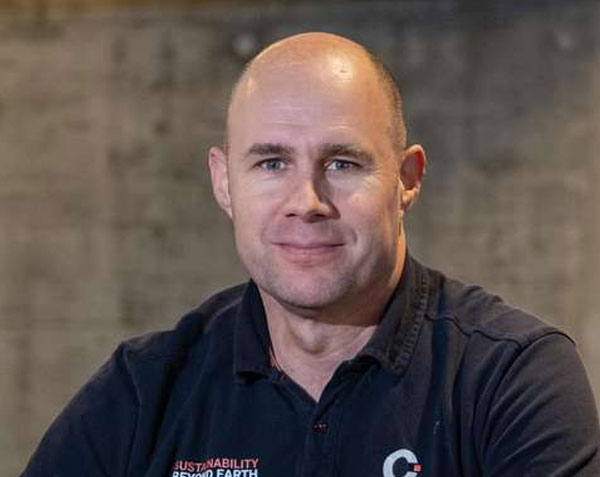
Luc Piguet
CEO and Co-Founder at ClearSpace SA
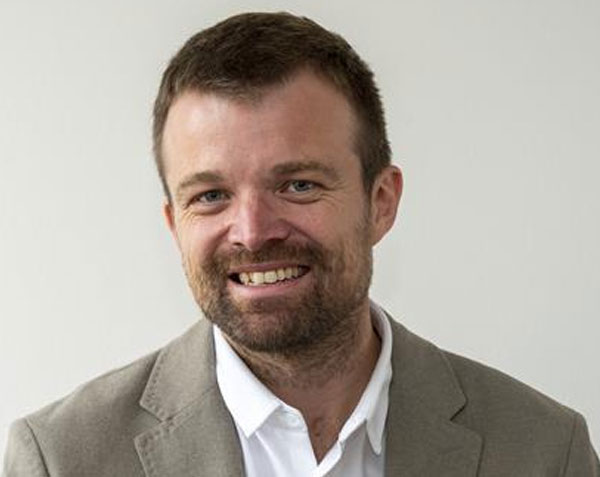
Emile de Rijk
CEO and Founder of SWISSto12
Dr. Emile de Rijk, CEO and Founder of SWISSto12. In 2011 he founded SWISSto12 as spinoff from his PhD at EPFL (École Polytechnique Fédérale de Lausanne). He led the company’s growth into aerospace and telecommunications, making it the first scale-up to sell Geostationary telecom satellite, the HummingSat to a global operator. Emile co-invented 15+ patents. He holds a PhD from EPFL and a Master’s in Physics from the University of Amsterdam.p> 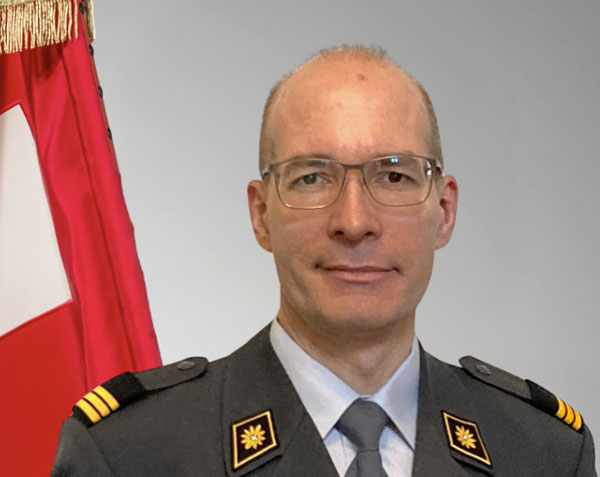
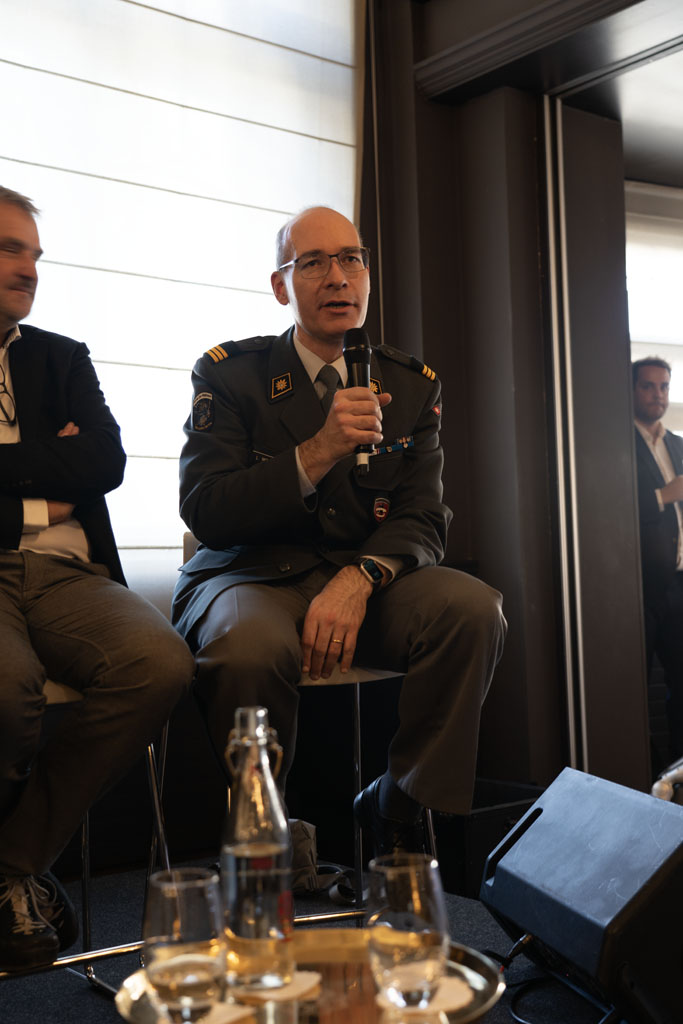
Ludovic Monnerat
Head of Space Command chez Armée Suisse
Colonel Ludovic Monnerat, a general staff officer, is the architect of the Swiss Armed Forces’ Space Command and has led this initiative since its first concept in 2015 and been its head since its inception in 2017 as a space cell at the operational level. He has been recognized as a military and strategic thinker, sharing insights on the transformation of the Armed Forces through published articles and presentations. For more than 20 years, he has contributed to developing new capabilities within the Swiss Armed Forces, first in the Information Operations domain and later with Special Operations, at both the operational and tactical levels. He was part of the core team that designed the Capstone 2030+ strategy and, from 2023, oversaw further developments as the dual-hatted J5 of the Swiss Armed Force and the Head of the Space Domain. Since 2025, he has been charged with the standing up of the Swiss Space Command as its first commander. 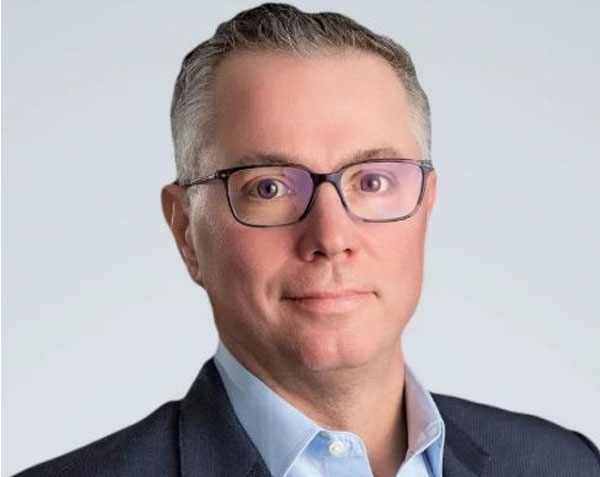
Dr. Jonathan Cirtain
Chief Executive Officer and President, Axiom Space
An accomplished physicist and technology executive, Dr. Cirtain brings extensive experience spanning both the space and nuclear industries. Prior to joining IBX, he spent seven years at BWX Technologies (BWXT), where he held senior leadership roles including Senior Vice President and Chief Development Officer, President and CEO of BWXT Medical, and Chief Technology Officer. At BWXT, he drove innovation, technical development, and commercial expansion across multiple business lines.Earlier in his career, Dr. Cirtain spent nearly a decade at NASA’s Marshall Space Flight Center, where he served in leadership roles such as Manager of the Heliophysics, Planetary, and Space Weather Office and Chief Strategist. He also conducted research as a Research Astrophysicist at Harvard University.A recognized leader in science and innovation, Dr. Cirtain has developed and led teams working on revolutionary technologies, including scientific space payloads, plasma confinement systems, solid rocket motor systems for suborbital vehicles, and advanced graphics processing technologies. He also co-founded Astraea, Inc., a machine learning and data science analytics company focused on Earth observation technologies. Dr. Cirtain is currently an adjunct professor of nuclear engineering at the University of Michigan.Dr. Cirtain earned his Ph.D. in Physics from Montana State University and completed a doctoral fellowship at Harvard University. He holds dual bachelor’s degrees in Physics and Mathematics from the University of Memphis. Throughout his career, he has served on advisory committees for organizations including NASA, the U.S. Department of Energy, the National Science Foundation, the U.S. Department of Commerce’s National Oceanic and Atmospheric Administration, the U.S. Office of Science and Technology Policy, the National Academies of Sciences and Engineering, the Royal Academy of Sciences, the European Space Agency, and numerous universities. 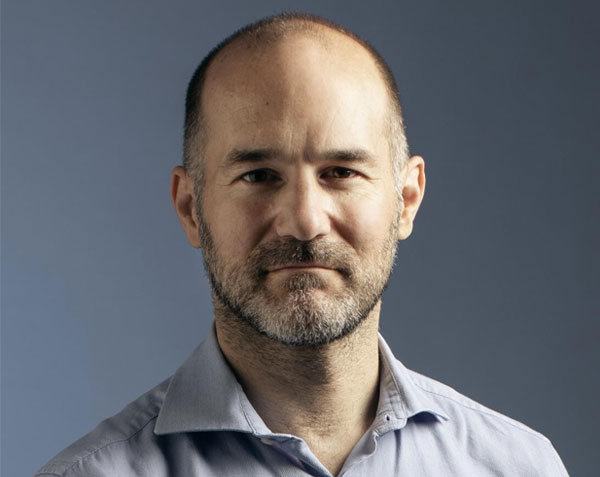
Benjamin Guyot
CEO spacetalk
Dr Benjamin Guyot, CEO and co-founder of Spacetalk (www.spacetalk.ch), a Swiss-based company providing a system for global space traffic coordination, lawyer admitted to the Geneva Bar and holds a Doctorate in Law from Paris I Panthéon-Sorbonne. As a specialist in Space Law, he has 15 years of experience working with the European Space Agency (ESA), the European Union and the European Union Agency for the Space Programme (EUSPA). 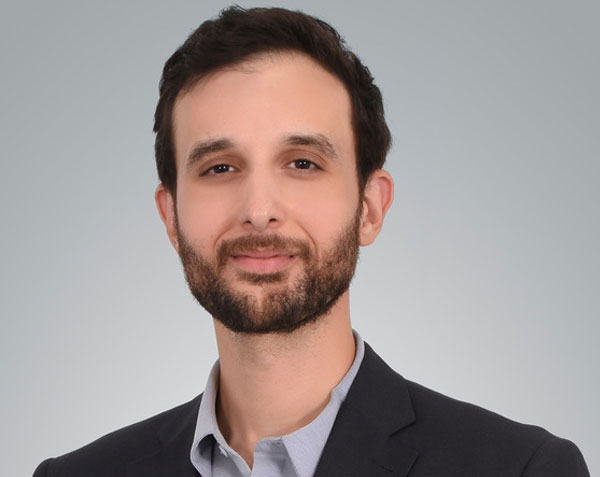
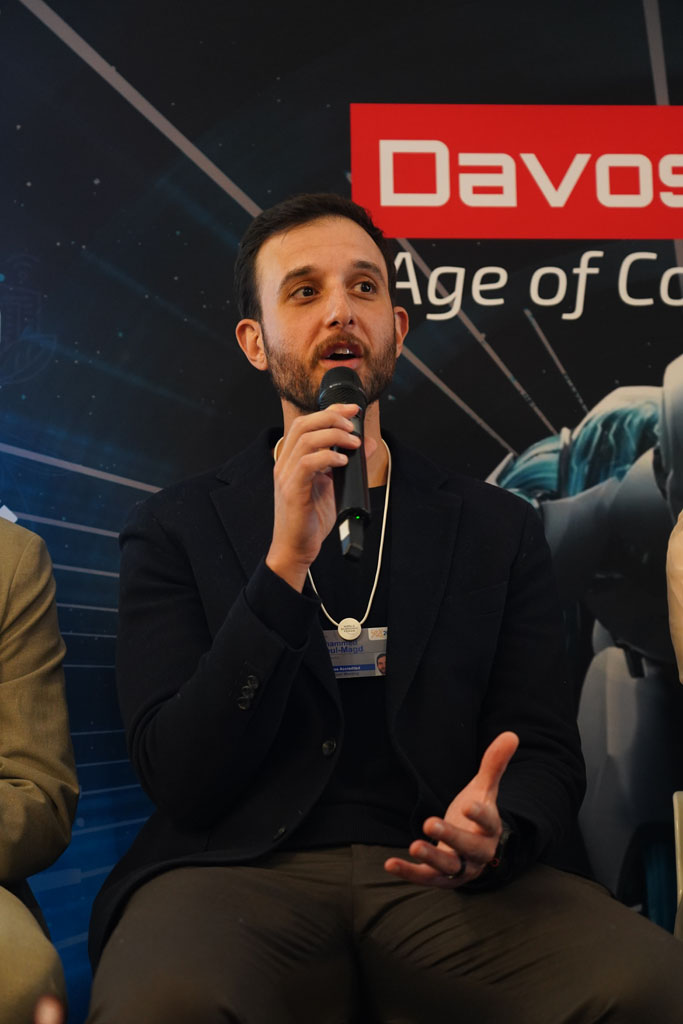
Mohammed Aboul-Magd
Vice President of Product, SandboxAQ Cybersecurity Group
Mohammed Aboul-Magd is Vice President of Product for the SandboxAQ Cybersecurity Group, leading the full product portfolio to deliver advanced cybersecurity solutions for some of the world’s most critical organizations. SandboxAQ, spun out of Alphabet in 2022, has raised over $1 billion from leading investors including Eric Schmidt, Google, NVIDIA, Marc Benioff, and Ray Dalio.
Previously, Mohammed was Vice President of Product at Snyk, where he launched Snyk Code – an AI-powered security platform that scaled to $100 million in annual recurring revenue – partnering with some of the world’s largest enterprises to solve complex security challenges.
Earlier at Akamai Technologies, he founded and built the company’s Edge Compute business, bringing distributed computing to global customers.
He holds a Bachelor’s degree in Computer Systems Engineering with Highest Distinction from Carleton University in Ottawa, Canada.
We are pleased to announce that the book Age of Convergence will be distributed in its pre-edition in Davos, in the presence of the authors. This pre-edition will serve as the core reference for the debates taking place during the roundtable sessions. All registered participants will receive a complimentary copy.
Age of Convergence examines a pivotal moment in human history: the accelerating convergence of exponential technologies and its transformative impact on civilization. Artificial intelligence, quantum computing, biotechnology, space systems, blockchain, and cybersecurity are no longer evolving independently; they are increasingly interconnected, reinforcing one another and reshaping society at unprecedented speed.
The book emphasizes a critical necessity: humanity must actively monitor, guide, and govern this convergence to avoid losing control over the systems it creates. It argues that technological evolution cannot be left solely to autonomous processes, algorithms, or market dynamics without risking the erosion of human values, ethics, and accountability.
Rather than portraying humans as passive observers, Age of Convergence asserts that human beings must remain the essential protagonists of the future of civilization. It calls for human-centered governance, ethical frameworks embedded by design, transparency, and long-term responsibility—ensuring that technology continues to serve humanity and not the other way around.
Media