Embedding Human Values into AI and Robotics
A Roadmap for a Human-Centric Future
The Davos 2026 Manifesto (Extended Edition)
Human-AI-T: Governing AGI and Quantum with Human Values
Preamble: Intelligence Without Wisdom Is Power Without Direction
- Optimized without empathy
- Efficient without ethics
- Powerful without accountability
I. Human Sovereignty Over Artificial Intelligence
1. The Principle of Human Supremacy
AI systems, regardless of capability or autonomy, shall never possess ultimate authority over human beings.
Human sovereignty requires:
- Human-defined goals
- Human-approved boundaries
- Human-enforced constraints
No system may define its own purpose beyond what humanity explicitly authorizes.
2. Meaningful Human Control
Control must be:
- Continuous (not symbolic)
- Operational (not theoretical)
- Enforceable (not optional)
This includes:
- Emergency shutdown (“kill switch”) mechanisms
- Human veto rights over AI decisions
- Clear escalation paths when AI confidence exceeds human certainty
AGI must remain answerable, not autonomous in the moral sense.
II. Values Embedded at the Algorithmic Level
3. Human Values Must Be Injected, Not Assumed
Human values do not emerge spontaneously from data.
They must be:
- Explicitly encoded
- Continuously reinforced
- Culturally contextualized
Core universal values include:
- Respect for human life and dignity
- Freedom of thought and expression
- Justice, proportionality, and solidarity
- Responsibility toward future generations
4. Cultural and Ethical Pluralism
AI systems must respect the plurality of human civilizations, traditions, and moral frameworks.
No single ideology, culture, or economic model may be imposed through AI systems by default.
III. Prevention of Harm as a Design Imperative
5. Anticipatory Risk Governance
AI systems must be governed under the assumption that:
- Scale amplifies harm
- Speed reduces reaction time
- Errors propagate non-linearly
Therefore:
- Risk must be assessed before deployment, not after failure
- Worst-case scenarios must be modeled
- Fail-safe modes must be mandatory
6. Protection of Human Rights
AI must never:
- Undermine freedom of conscience
- Enable repression or social scoring
- Facilitate discrimination, exclusion, or coercion
Human rights frameworks take precedence over optimization objectives.
IV. Fairness, Justice, and Social Cohesion
7. Algorithmic Justice
Fairness is not statistical parity alone. It requires:
- Contextual equity
- Historical awareness
- Continuous recalibration
AI systems must be evaluated for:
- Unequal impact
- Structural bias
- Long-term societal consequences
8. Avoiding Algorithmic Fragmentation of Society
AI must not:
- Polarize public discourse
- Create informational echo chambers
- Replace shared truth with personalized realities
Social cohesion is a public good.
V. Transparency, Explainability, and Cognitive Accessibility
9. Transparency Is a Democratic Requirement
Citizens have the right to know:
- When AI is used
- For what purpose
- With what limitations
Secret or undeclared AI decision-making in public or high-impact domains is unacceptable.
10. Explainability for Humans, Not Machines
Explainability must be:
- Understandable by non-experts
- Proportional to impact
- Accessible across education levels
If a system cannot be explained, it cannot be trusted.
VI. Auditability, Traceability, and Accountability
11. Full Lifecycle Traceability
AI systems must be traceable across:
- Data origin
- Model training
- Parameter updates
- Decision outputs
This ensures:
- Legal accountability
- Ethical review
- Scientific reproducibility
12. Responsibility Cannot Be Delegated
There must always be:
- A legally accountable entity
- A human chain of responsibility
- Clear liability frameworks
Machines do not bear moral responsibility. Humans do.
VII. Privacy, Identity, and Cognitive Freedom
13. Protection of the Inner Human Sphere
AI must not intrude upon:
- Cognitive autonomy
- Emotional manipulation
- Subconscious behavioral control
The human mind is not a resource to be mined.
14. Data Sovereignty and Identity Integrity
Personal data, especially biometric and behavioral data, must:
- Remain under human control
- Be protected against re-identification
- Never be exploited without consent
Identity is sacred.
VIII. Security, Robustness, and Quantum Readiness
15. Security as a Moral Obligation
Insecure AI is unethical AI.
Systems must be resilient against:
- Adversarial attacks
- Model poisoning
- Quantum-enabled decryption
- Autonomous self-modification
16. Preparing for the Quantum Disruption
AGI governance must assume:
- Cryptographic paradigms will break
- Power asymmetries will increase
- Decision cycles will compress
Human oversight must scale accordingly.
IX. Environmental and Intergenerational Responsibility
17. Sustainable Intelligence
AI systems must be evaluated not only on performance, but on:
- Energy consumption
- Resource use
- Environmental externalities
Efficiency without sustainability is irresponsible.
18. Responsibility Toward Future Generations
Decisions encoded today will shape humanity for decades.
Future humans have rights—even if they cannot yet speak.
X. Global Governance and Collective Stewardship
- Market forces alone
- Military competition
- Technological elites
- Multilateral cooperation
- Cross-border norms
- Shared ethical baselines
- A global ethical compass
- A policy alignment framework
- A certification and audit reference
Final Declaration: Humanity Remains the Measure
AGI and Quantum technologies will define the 21st century.
Their legitimacy depends on trust.
Their safety depends on governance.
Their value depends on human alignment.
Intelligence must serve humanity.
Power must remain accountable.
Technology must never replace wisdom.
This is the Davos 2026 Manifesto.
This is Human-AI-T.
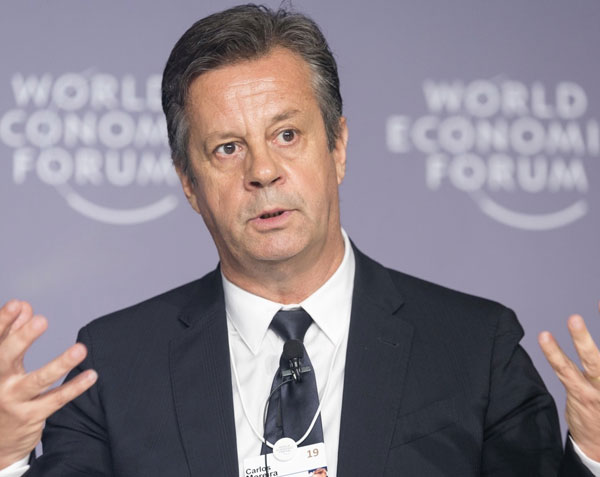
Carlos Creus Moreira
Founder, Chairman and CEO at WiseKey
Carlos Moreira began his career as a UN expert on IT, eSecurity and Trust Models, working for ILO, UN, UNCTAD, ITC/WTO, World Bank, UNDP, ESCAP from 1983 to 1998. A recognized early stage pioneer in the field of digital identity, he was also Adjunct Professor of the Graduate School of Engineering Royal Melbourne Institute of Technology from 1995 to 1999 as well as Head of the Trade Efficiency Lab at the Graduate School of Engineering at RMIT.
In 1999, he founded the Geneva-based online data security firm WISeKey, where he currently serves as Chairman and CEO. Mr Moreira’s unique profile, which combines extensive high level international diplomacy experience and emerging technologies expertise, has positioned him as a distinctive authority, thought leader, and entrepreneurial force in today’s digital world where the acquisition and trusted protection of a digital identity has become an essential step for citizens and entities across the globe. He is a Member of the UN Global Compact, Member of the World Economic Forum’s Global Agenda Council, Founding Member World Economic Forum Global Growth Companies.
Topic: “Securing the Future with Exponential Technologies”
Carlos will focus on the growing importance of cybersecurity in the era of exponential technologies, highlighting how blockchain, IoT, and AI are transforming security landscapes. He will explore how WISeKey’s innovations, including post-quantum cryptography, are safeguarding AI and critical infrastructures globally.
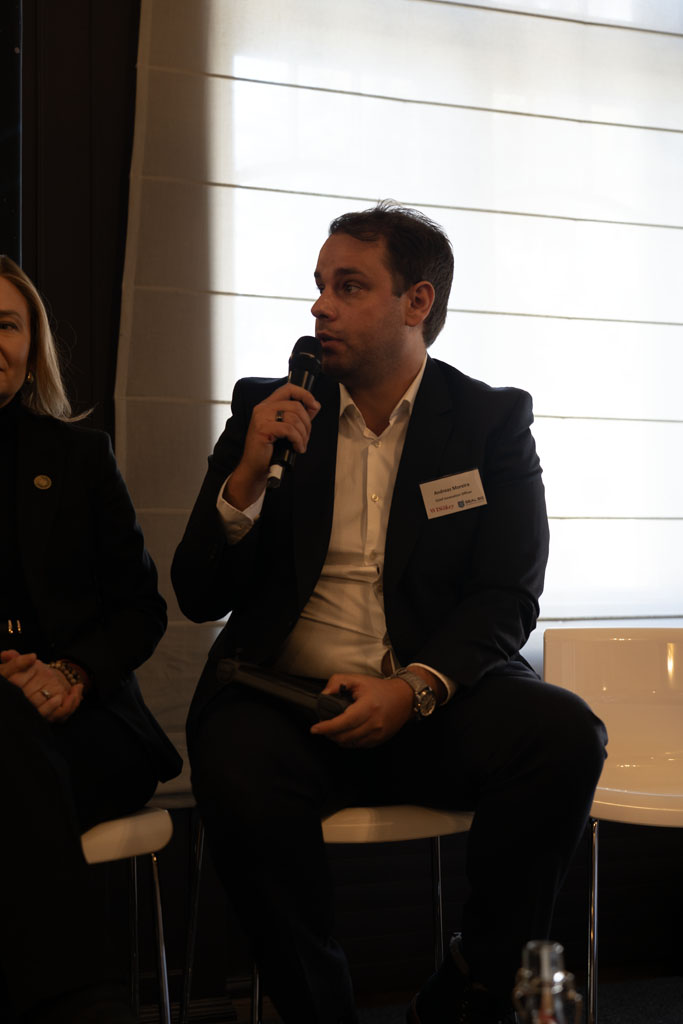
Andreas Moreira
Chief Innovation Officer

Computer Science graduate from University of Webster and Ecole Polytechnique Fédérale de Lausanne, Andreas Moreira joined WISeKey in 2017 as a consultant in distributed ledger technologies and cryptocurrency. Since then, he has taken over a role of project manager for WISeKey’s line of solutions and leverage his passion for innovative technology to oversee the development of the WISeKey suite of applications.
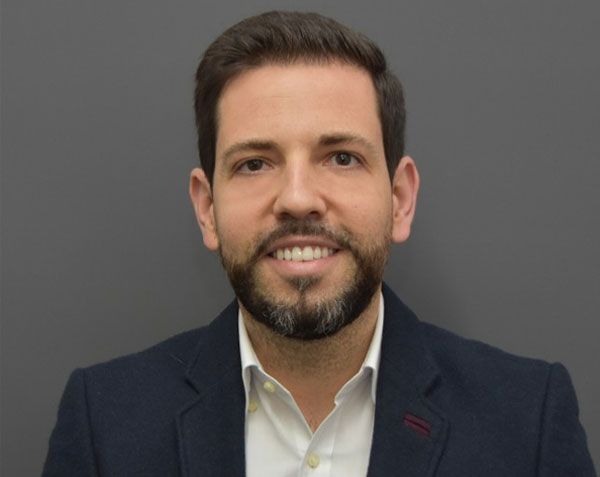
Carlos Ballester Lafuente
Chief of Staff and Group AI Officer, SEALSQ
Carlos Ballester Lafuente leads the integration of artificial intelligence across SEALSQ group, driving operational efficiency, smarter processes, and innovation across the company’s semiconductor, PKI, IoT, satellite, and post-quantum product lines. He spearheads cross-company initiatives to streamline operations, strengthen execution, and embed AI as a core engine for performance and sustainable growth.
Before SEALSQ, he served as Head of IT Innovation at IMD, where he led technology innovation strategy and workplace AI platforms, translating emerging technologies into practical solutions that transformed work, learning, and collaboration. He previously worked at EPFL’s Center for Digital Trust (C4DT) as Technical Program Manager, advancing cybersecurity and digital-governance collaborations between academia, industry, and international organizations.
Earlier roles include co-founding the Geneva-based digital product studio MobileThinking, managing EU-funded R&D projects in decentralized digital trust at the University of Geneva, and beginning his career as an IT Security Auditor at S2 Grupo in Spain. He holds a PhD in Management Information Systems (University of Geneva), a joint MSc in Security and Mobile Computing (NTNU & Aalto University), and an M.Eng. in Computer Science (Universidad Politécnica de Valencia).
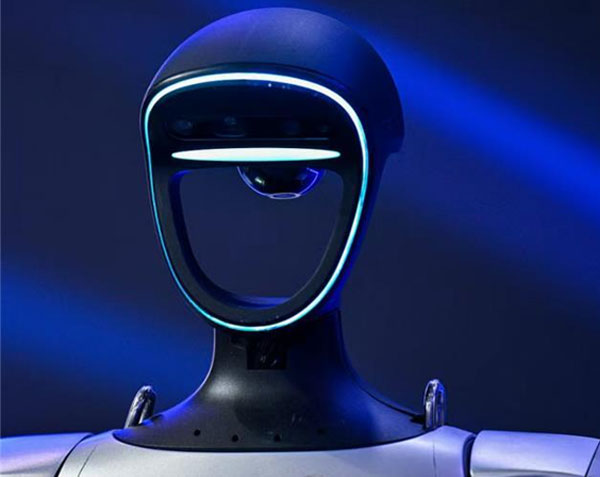
WISeRobot
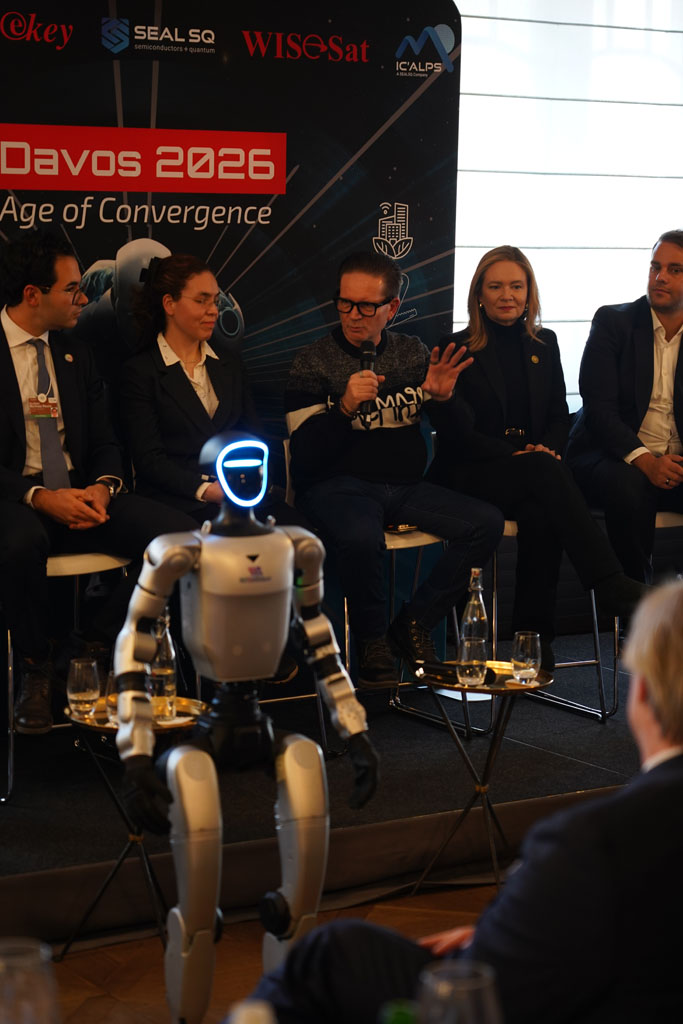
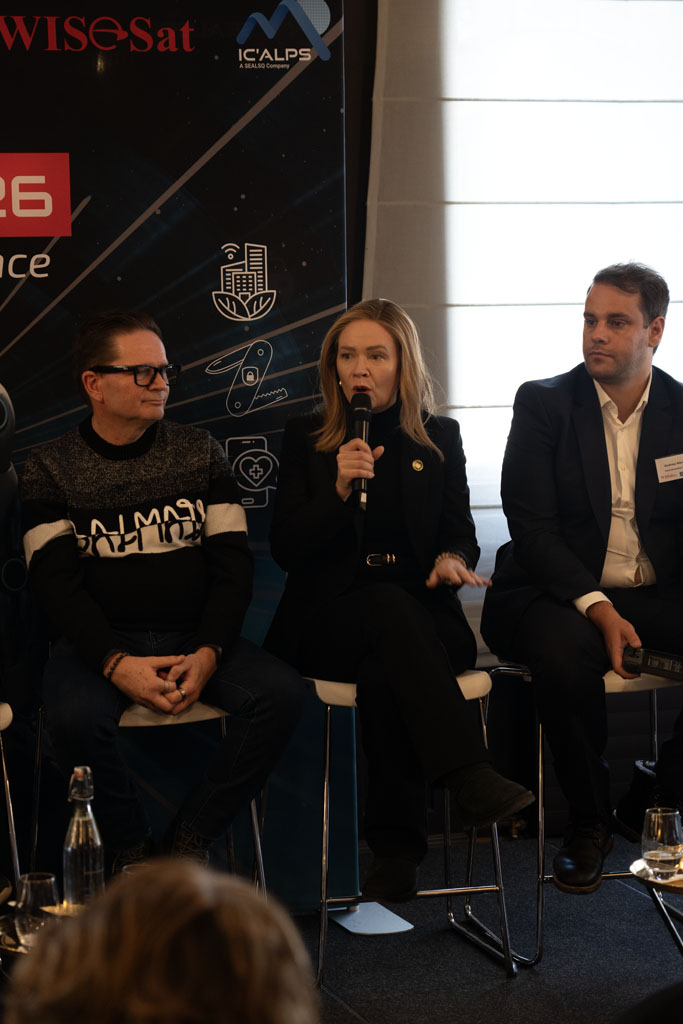
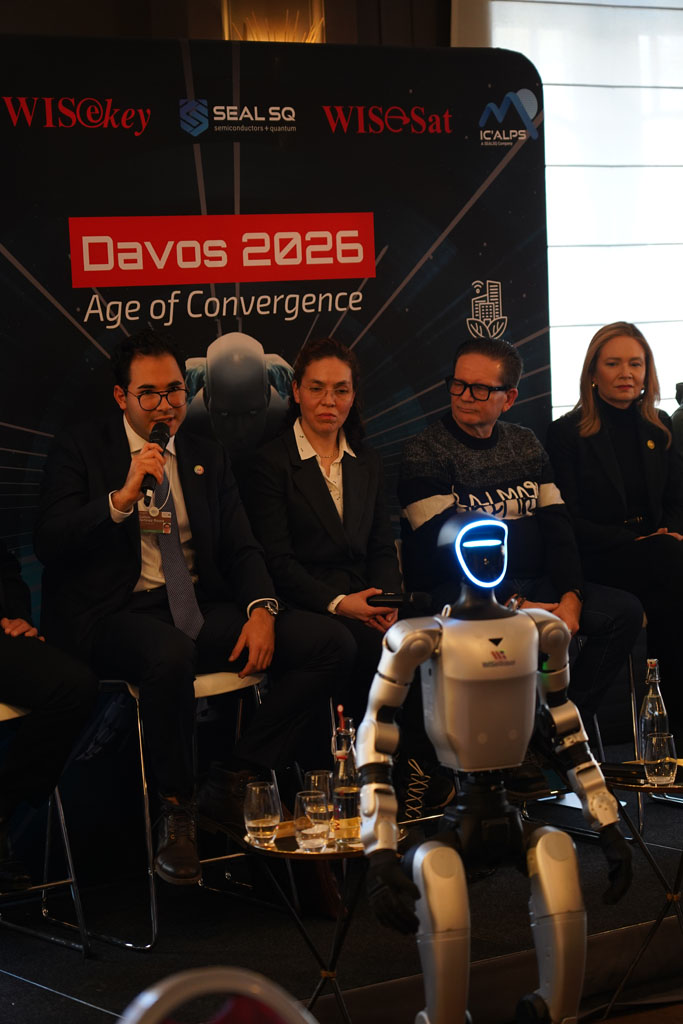
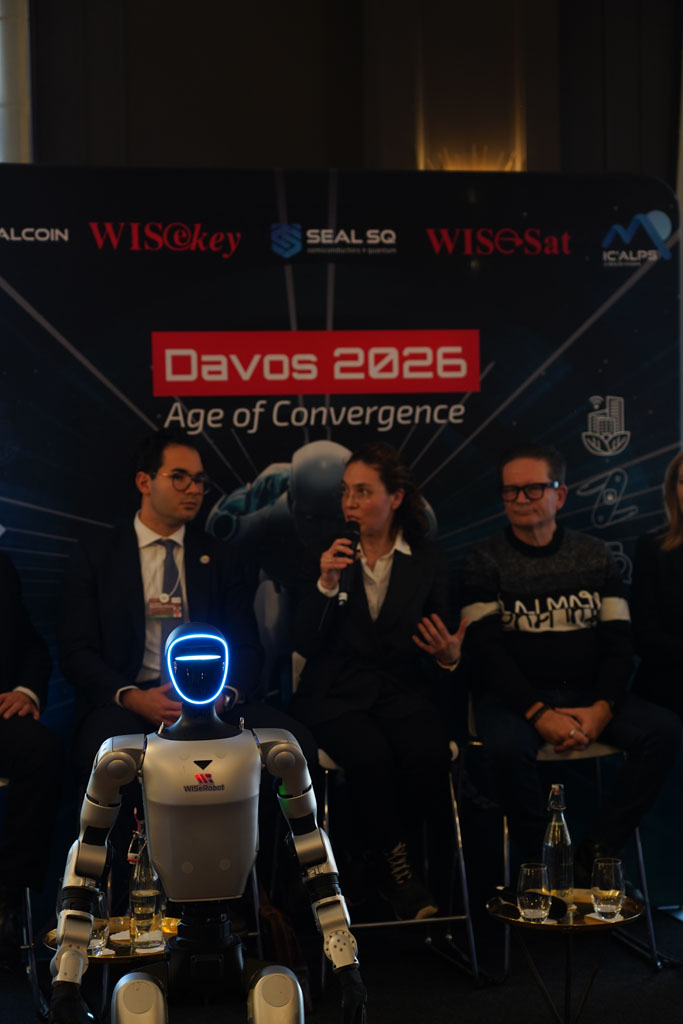
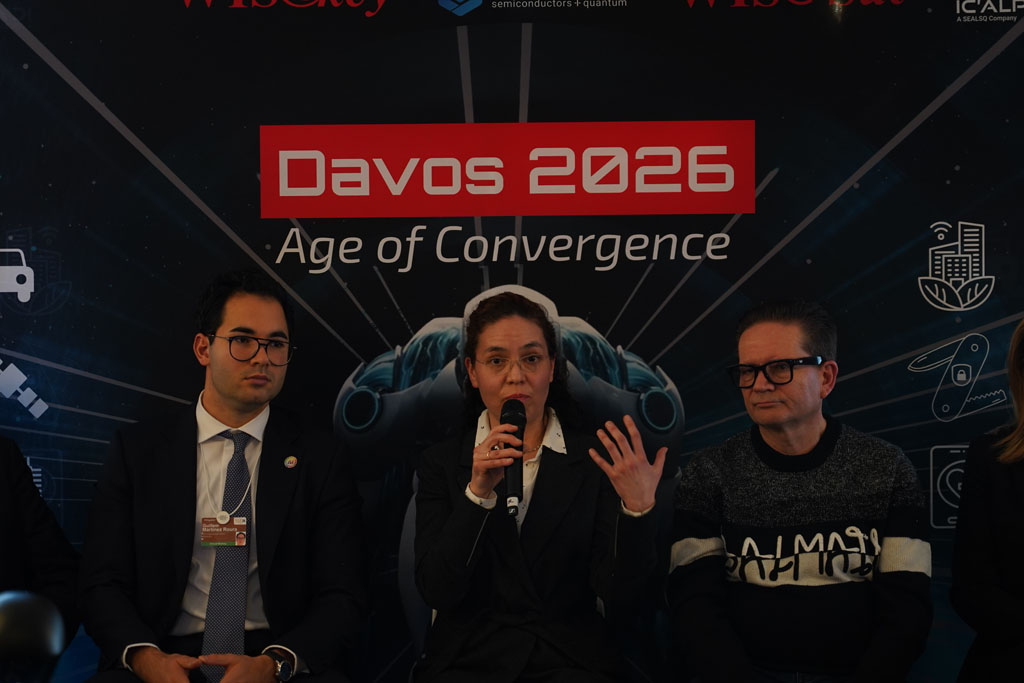
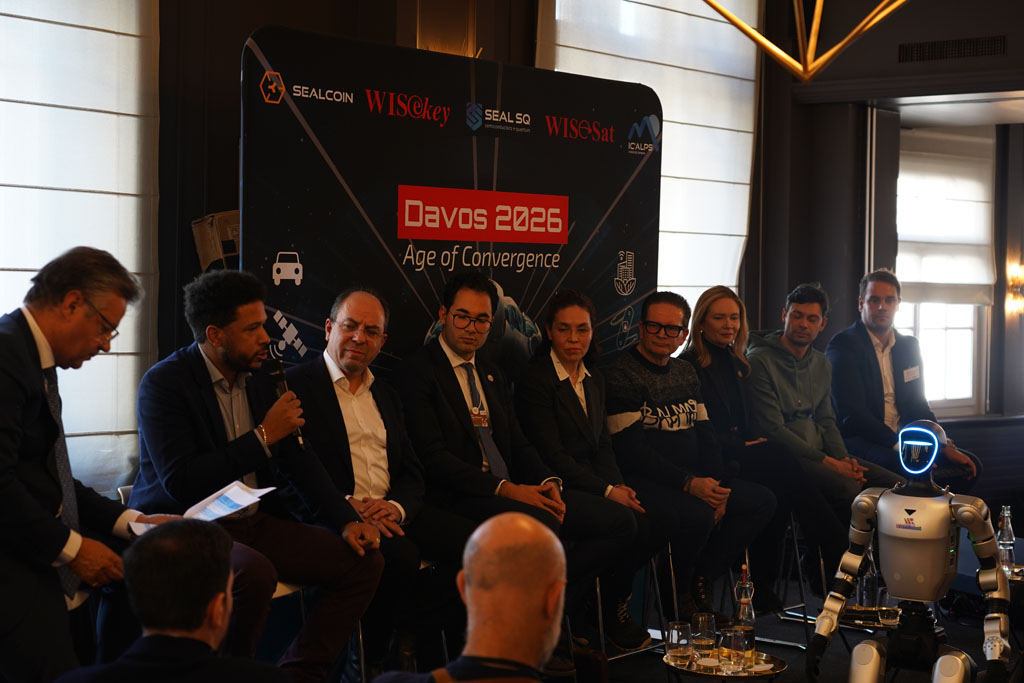
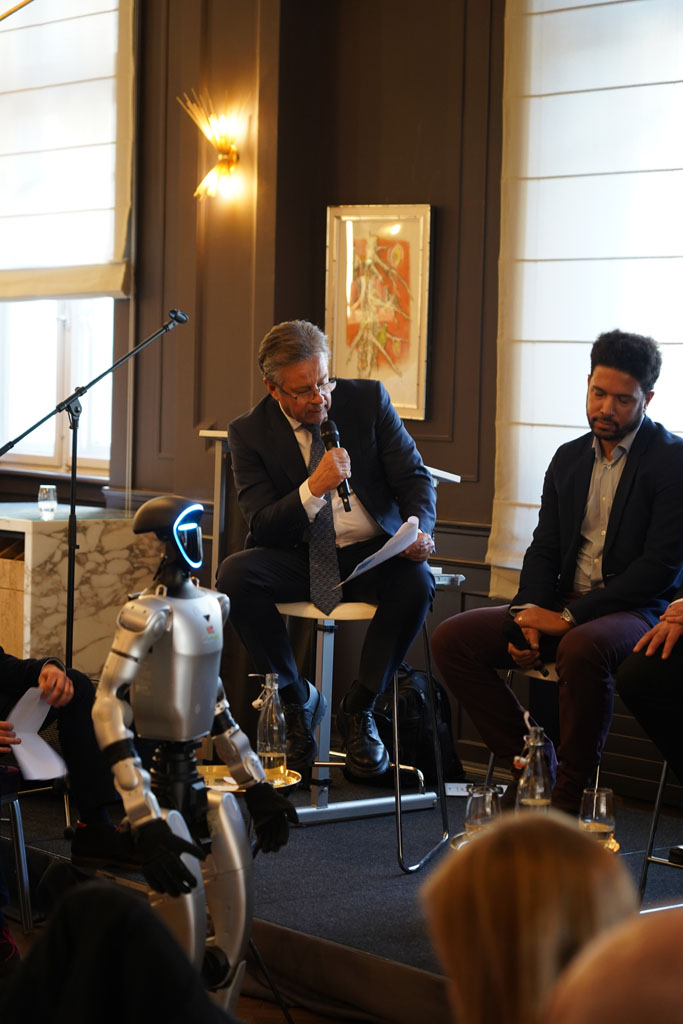
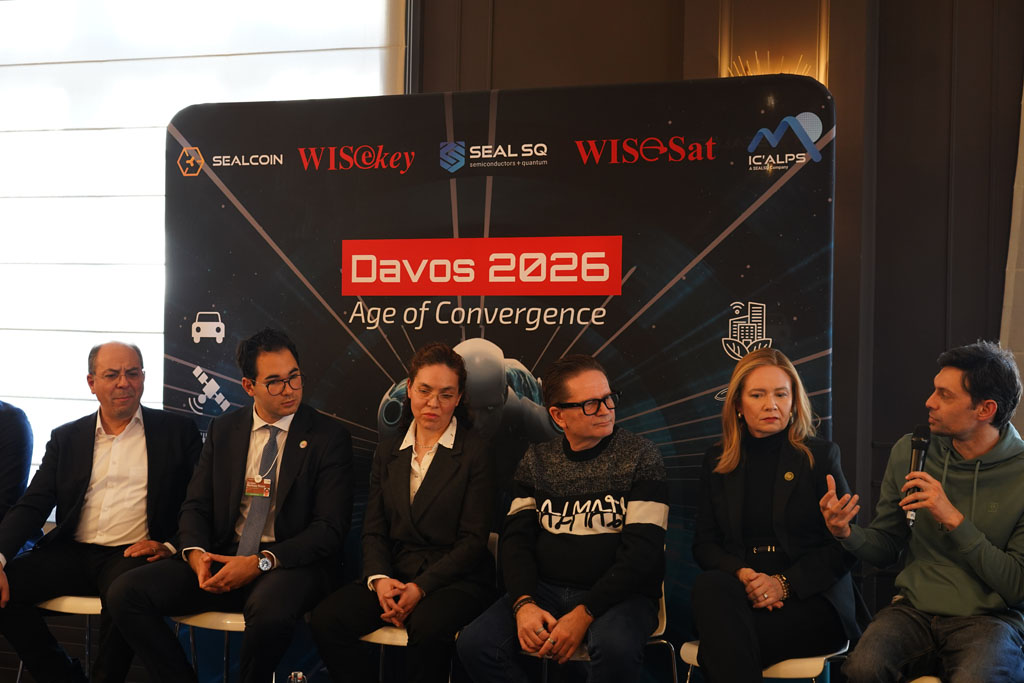
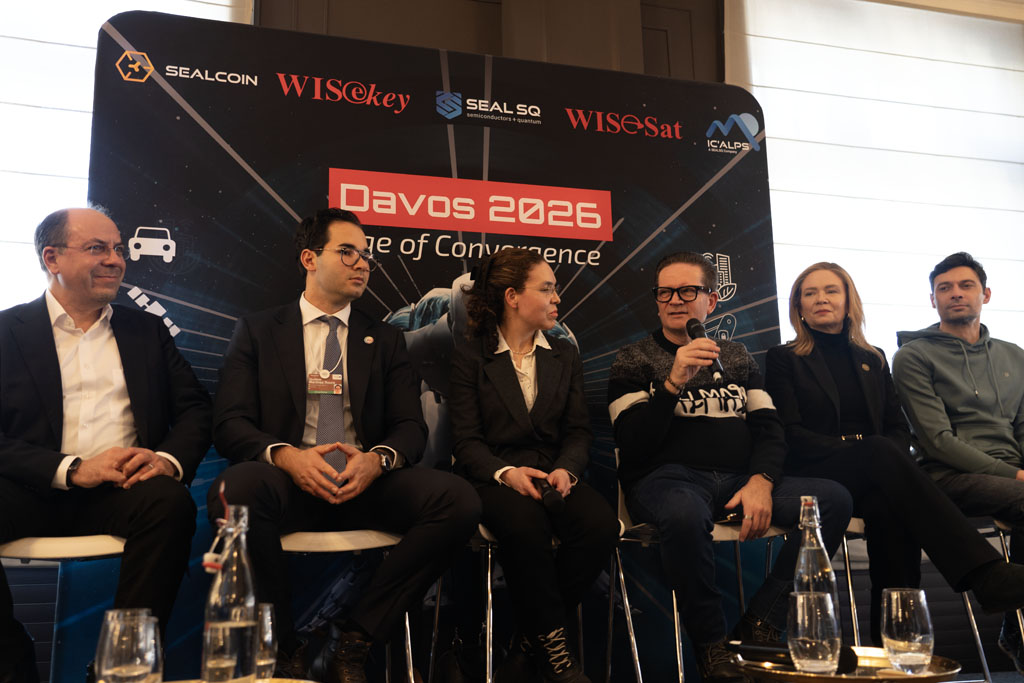
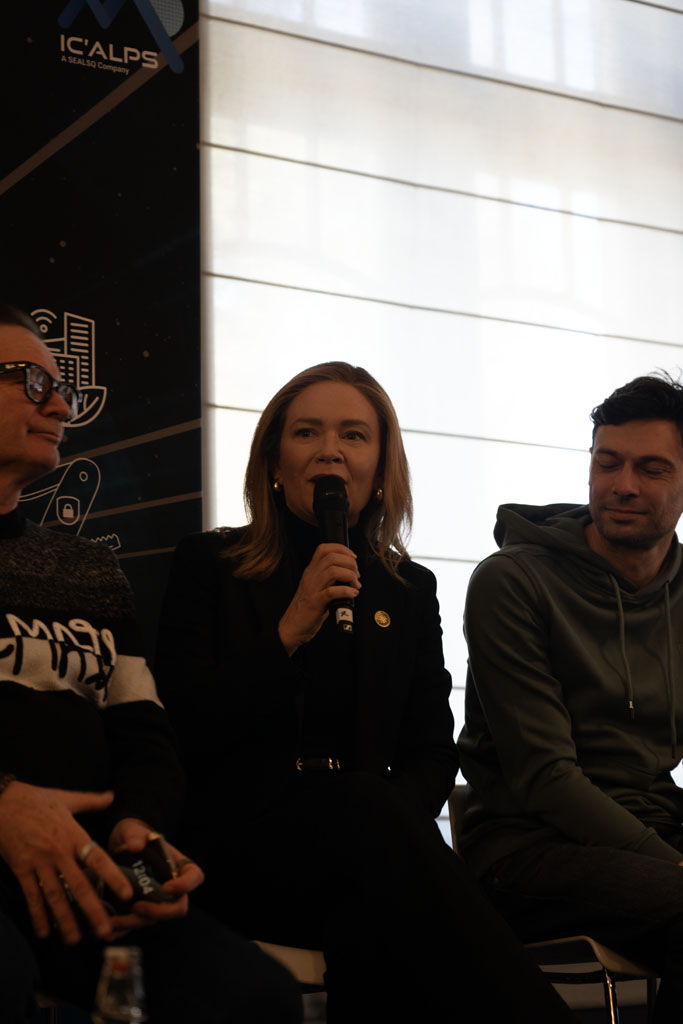
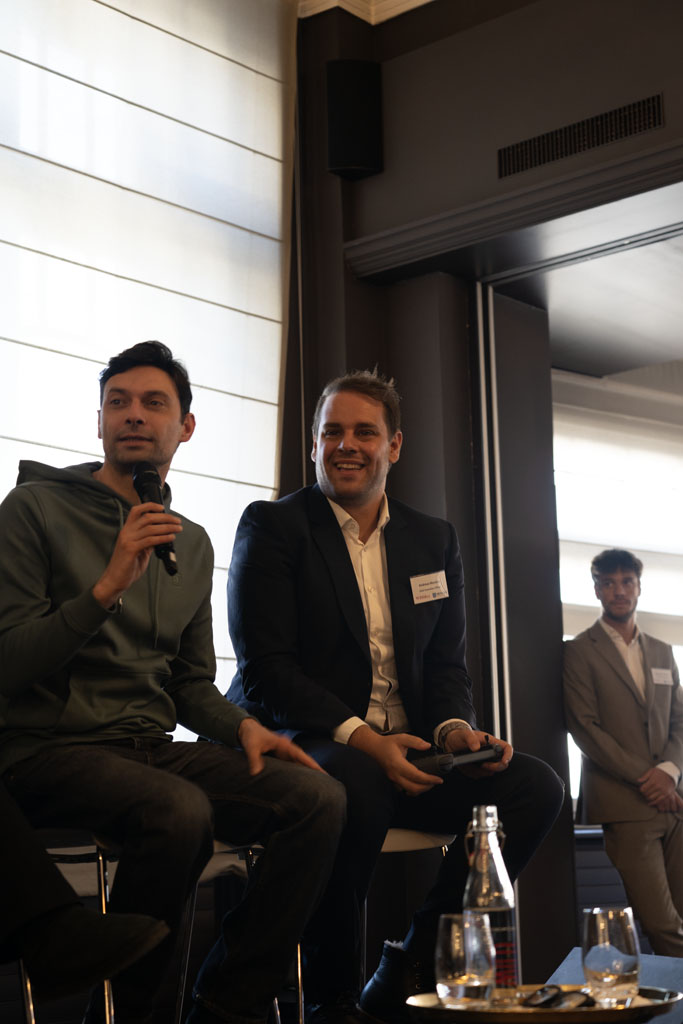
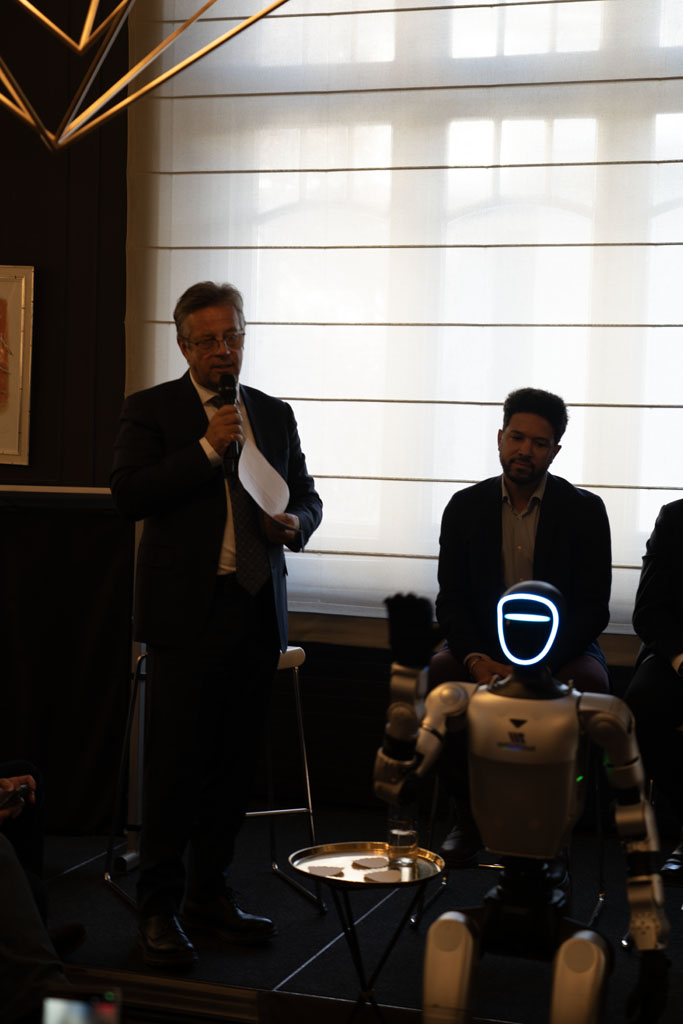
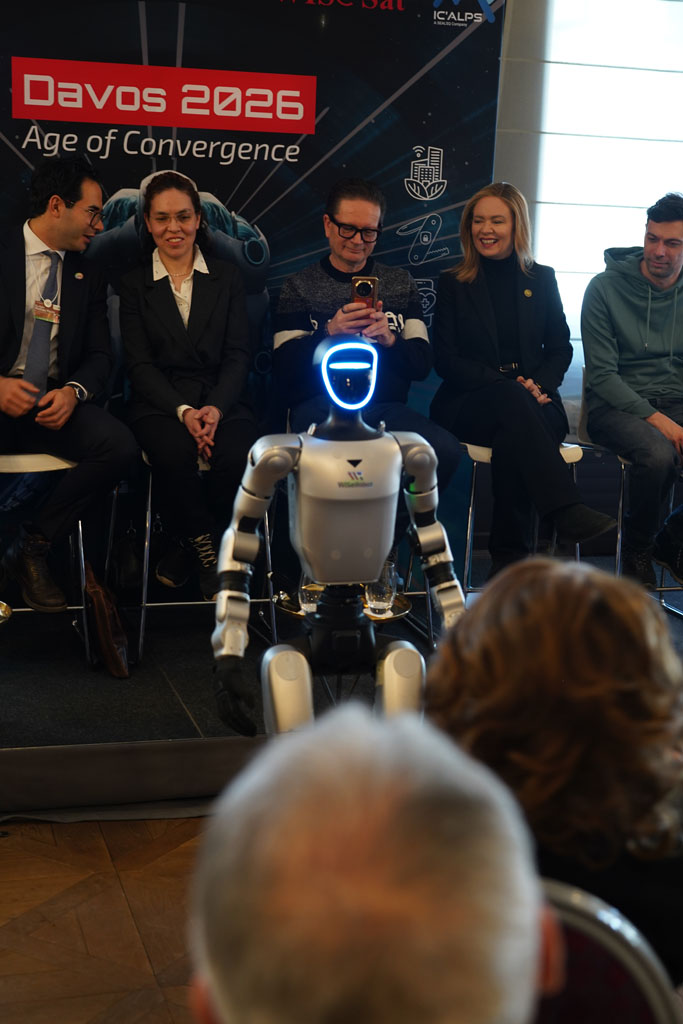
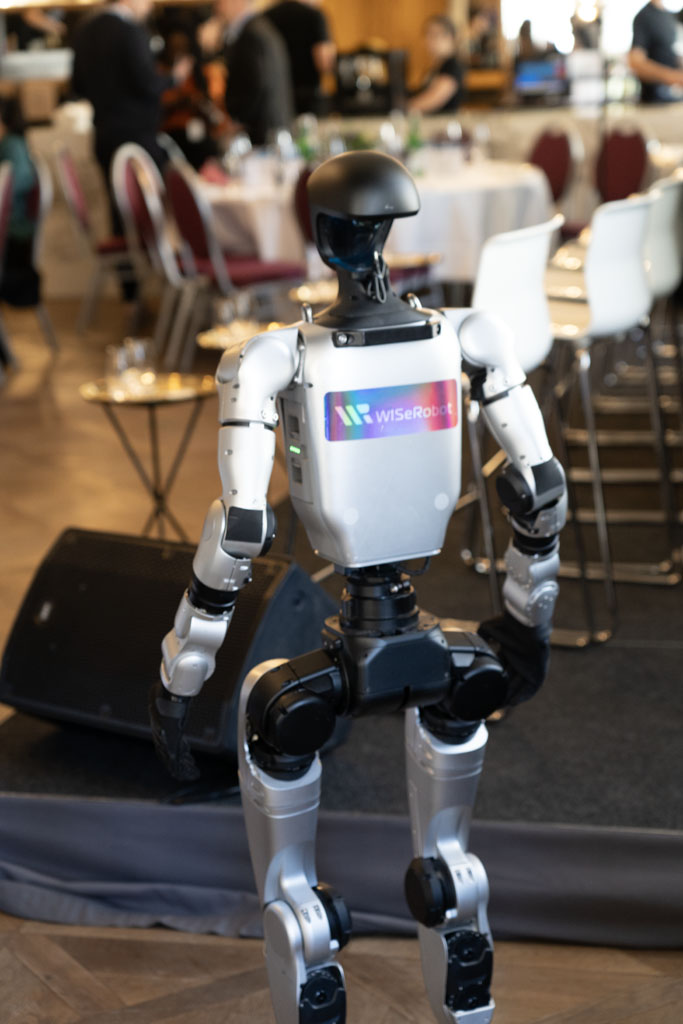
The WISeRobot.ch and the WISeDog are on their way to Davos. As full participants in the SEALSQ WISeKey Quantum AI Roundtable, they will engage directly with the Moderator and attendees on how robots and AI must remain at the service of humanity, ensuring their power is never misused against human values or dignity. During the session, the WISeRobot will also demonstrate cutting-edge technologies embedded in its architecture, including post-quantum secure chips, satellite connectivity, and the ability to perform secure machine-to-machine payments between robots using SEALCOIN—illustrating a trusted, sovereign, and human-centric AI ecosystem.

Grant Bourzikas
Chief Security Officer at Cloudflare
Grant Bourzikas joined Cloudflare as the Chief Security Officer in 2023, where he is a driving force in helping the company achieve its mission to build a better Internet. As a critical component within Cloudflare’s ecosystem, Grant’s primary role is to protect the company from sophisticated adversaries to stay ahead in today’s cybersecurity landscape. He oversees Cloudflare’s threat intelligence services, which successfully mitigate 170+ billion attacks daily, in addition to acting as “Customer Zero” to help foster innovation across all Cloudflare products and services.Grant is a seven-time CSO with over 20 years experience leading global security programs that span the private sector, having worked at a Fortune 500 critical infrastructure company, an online trading organization and within the gaming space. Most notably, Grant spent several years in the financial services industry at both HSBC and Silicon Valley Bank. Grant holds a Master’s in Data Science and Artificial Intelligence from Southern Methodist University, and a Bachelor of Science in Accounting from the University of Missouri in St. Louis. He is a CPA (Certified Public Accountant) and CISSP (Certified Information Systems Security Professional).
Topic: “Cybersecurity in an Age of Exponential Threats”
Grant will address the growing challenges of cybersecurity as technologies evolve rapidly. His talk will cover how companies can protect themselves from increasingly sophisticated cyberattacks and why exponential technologies, like AI and quantum computing, are both risks and opportunities in the security landscape.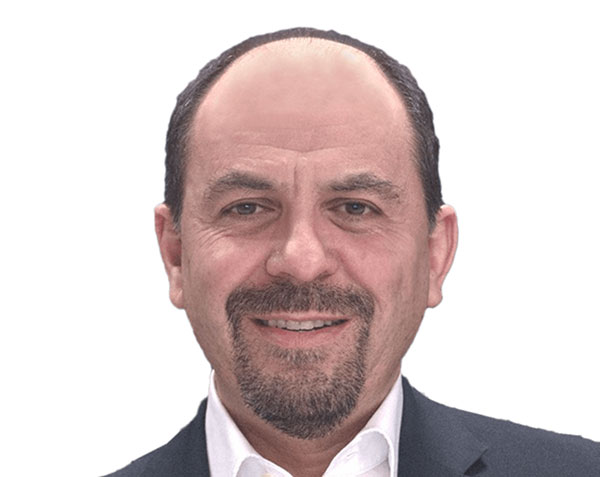
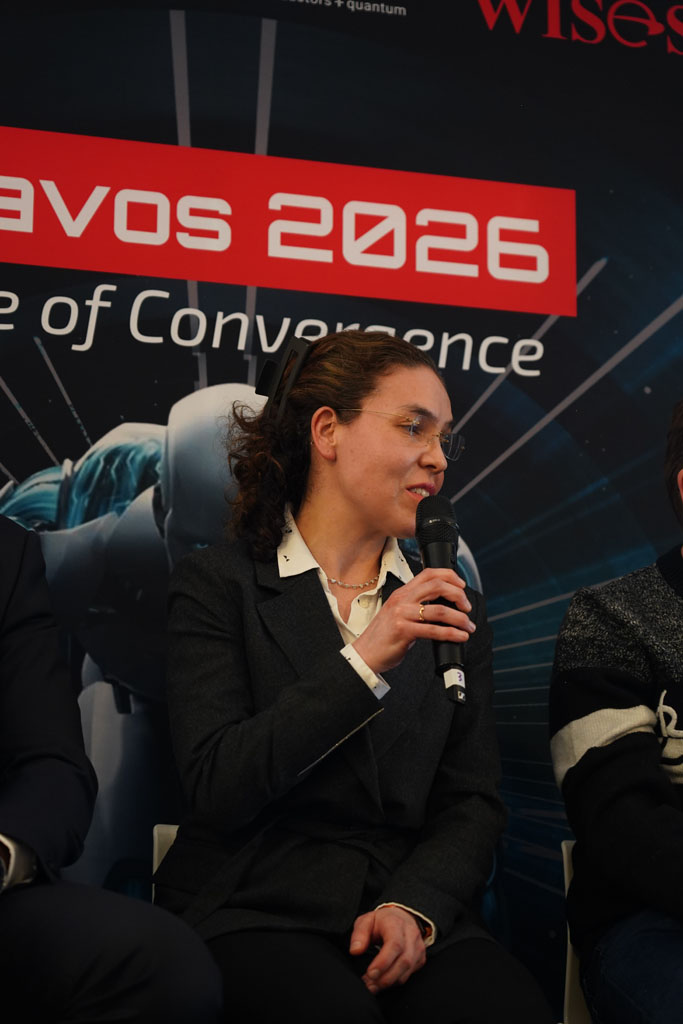
Dr. Montassar BenMrad
Co-founder & CEO, Artifact Switzerland
Dr. Montassar BenMrad is a seasoned technology executive and data science strategist specializing in the intersection of digital transformation and human-centric innovation. Currently a key leader at Artifact SA, a Swiss data science firm, he focuses on deploying pragmatic Artificial Intelligence and machine learning solutions that empower organizations while remaining grounded in ethical data models. With an extensive background as an Executive Partner at IBM Global Business Services, Dr. BenMrad led large-scale digital initiatives across the EMEA and MENA regions, particularly within the financial services sector. His career is defined by a commitment to bridging the gap between complex technological systems and societal needs. A frequent commentator on Swiss media platforms like Infrarouge, he brings a unique perspective on how to align emerging technologies with civil responsibility and shared human values.
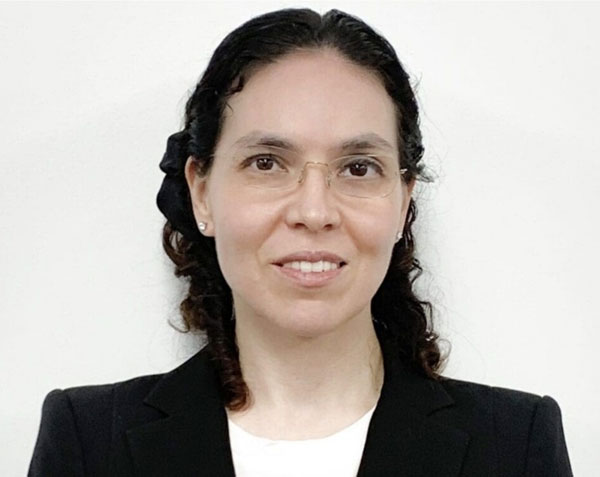
Monica Lopez
Privacy Officer, VHC Health
One of 100 Brilliant Women in AI Ethics 2023, Dr. Lopez is a cognitive scientist and serial entrepreneur as Co-Founder and CEO of La Petite Noiseuse Productions and Cognitive Insights for Artificial Intelligence. She is currently the Privacy Officer at VHC Health where she leads privacy, compliance and artificial intelligence (AI) policy and governance across the organization, ensuring governance frameworks align with human values of quality care. Dr. Lopez is a sought-after global speaker with engagements at the United Nations’ ITU AI for Good Global Summit, World Economic Forum, Top Tier Impact, The Digital Economist, Semafor, The Atlantic, Sundance Film Festival, Salzburg Global, the Executive Women’s Forum, American Health Law Association, Bankers Association for Finance and Trade, BioTalk, AutoSens, IEEE Women in Engineering, IS&T Electronic Imaging Symposium, National Geographic, and the National Academy of Sciences. Latest publications include peer-reviewed original research in the International Journal of Medical Informatics, Journal of the American Medical Informatics Association, Journal of AI Law and Regulation, Journal of the Patent & Trademark Office Society, International Journal of Human-Computer Interaction, and The Digital Economist. Dr. Lopez is a longtime fellow of Salzburg Global, an AI Expert for the Global Partnership on AI (GPAI), and a former Senior Executive Fellow of The Digital Economist. A former teaching professor for 16 years at Johns Hopkins University and Georgetown University, Dr. Lopez pioneered interdisciplinary applied courses at the intersection of Human-Centered AI, Digital & Emerging Technology, Ethics, Design, Business, Governance and Geopolitics.
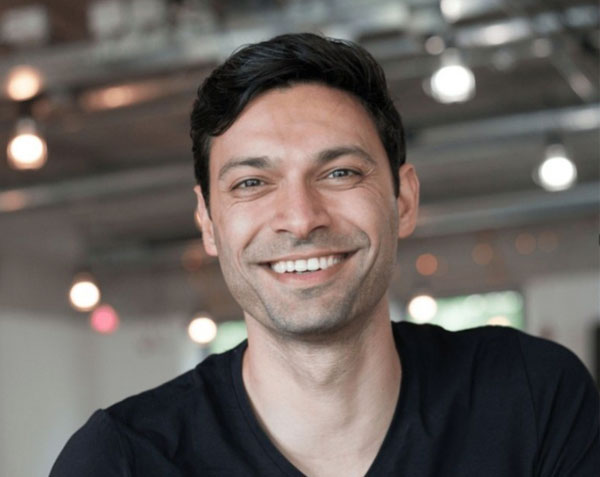
Ali Niknam
Founder & CEO, bunq
Ali Niknam, born in Canada but from Iranian descent, grew out to be the de-facto innovator in the financial sector, bringing diversity to the banking industry. He set up his first company when he was just 16 years old. In his early twenties he founded TransIP, the third largest domain name and web hosting provider in the world. In 2012 he set out to radically change the banking industry and founded bunq. Ali managed to get the first European banking permit in over 35 years and, as its sole investor, invested around €150M in bunq. In a deal with British private equity firm Pollen Street Capital, bunq has raised €193 million and the company’s valuation soared to €1.6 billion, as of July 2021. As part of the deal, bunq acquired Capitalflow Group, a privately held Irish lending company with strong ties to the Irish community. In 2022, bunq acquired Belgian fintech tricount, a move that made bunq the second largest neobank in Europe.
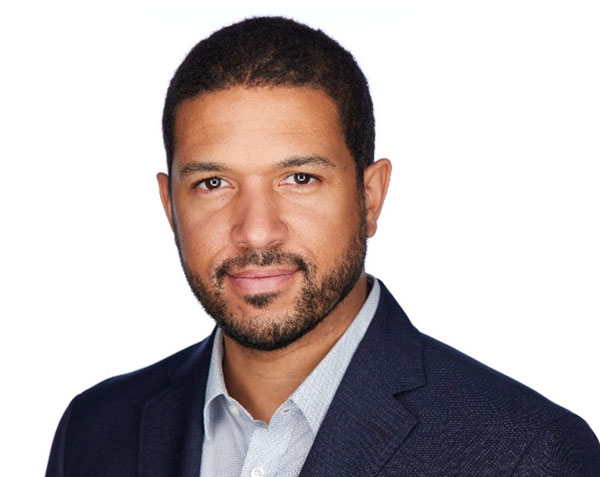
Jean-Pascal Aribot
General Manager Switzerland, UBER
Born in Lausanne, Switzerland, Jean-Pascal “JP” began his career in 2005 in the food industry at Nestlé, a company where he stayed for 10+ years in various sales & marketing positions in Switzerland and abroad. During his 7 years in Eastern and Southern Africa, JP launched new Nestlé subsidiaries and set up commercial partnerships in complex and dynamic countries. Back in Switzerland since 2017, he became involved in the world of entrepreneurship as co-founder of AgroSustain, a sustainable AgriTech company ranked among the Top 15 Swiss start-ups. In addition, he has been a coach and judge for the start-up acceleration program MassChallenge Switzerland. JP joined Uber in 2019 as Head of Switzerland, then General Manager Switzerland, a position in which he is leading cross-functional teams, designing and executing the country strategy. JP graduated from the Ecole Polytechnique Fédérale de Lausanne – EPFL (Master of Science in Communication Systems).
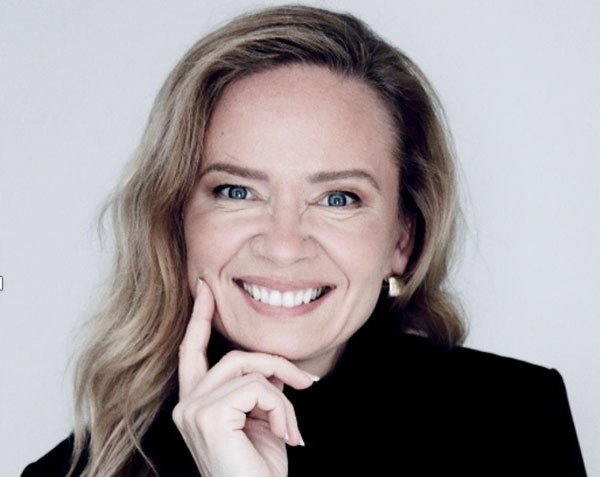
Tarja Stephens
Founder, Leaders of the Future
Tarja Stephens is an internationally recognized advisor and keynote speaker with over two decades of experience at the intersection of technology, business strategy, and talent development. As a Finnish-American business leader and entrepreneur, Tarja empowers CEOs and executives to drive successful AI transformations by focusing on the people who bring technology to life. Her human-centric approach emphasizes equipping teams with the skills and mindset needed to thrive amid exponential technological change. By aligning innovation with workforce readiness and personal intelligence, she fosters ethical integration and inclusive innovation that empowers leaders to shape the future. As founder of Leaders of the Future, a global leadership network, and managing partner of AI advisory group guiding senior executives in the practical integration of AI into leadership roles, Tarja is a trusted advisor to CEOs and global initiatives. She has collaborated with leading organizations to reshape workforce dynamics and build future-ready teams. A sought-after speaker at global forums, Tarja inspires leaders to invest in their people—and in themselves. She emphasizes the urgent need to upskill workforces to meet the demands of a rapidly evolving economy, ensuring people are equipped for the transformative impact of AI. Tarja encourages leaders to redefine leadership and cultivate uniquely human qualities as the superpowers of future leadership. She believes that investing in people creates a ripple effect, unlocking AI’s potential and advancing bold, inclusive innovation.
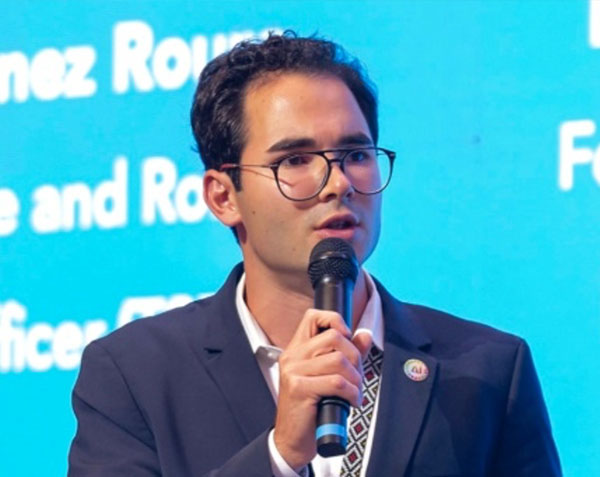
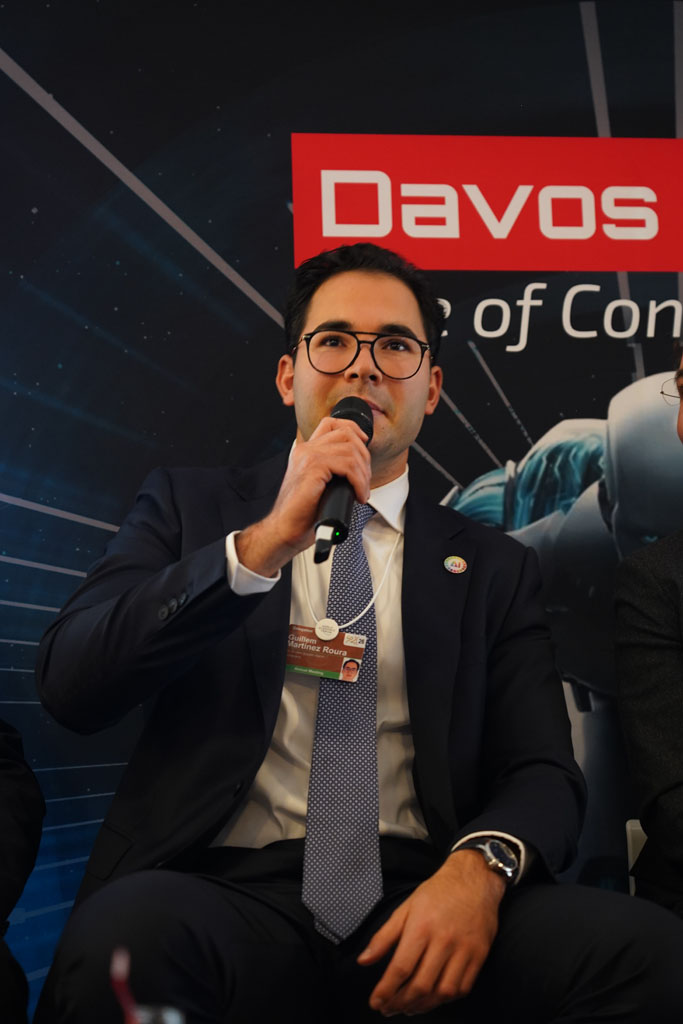
Guillem Martinez Roura
AI and Robotics Program Officer, International Telecommunications Union
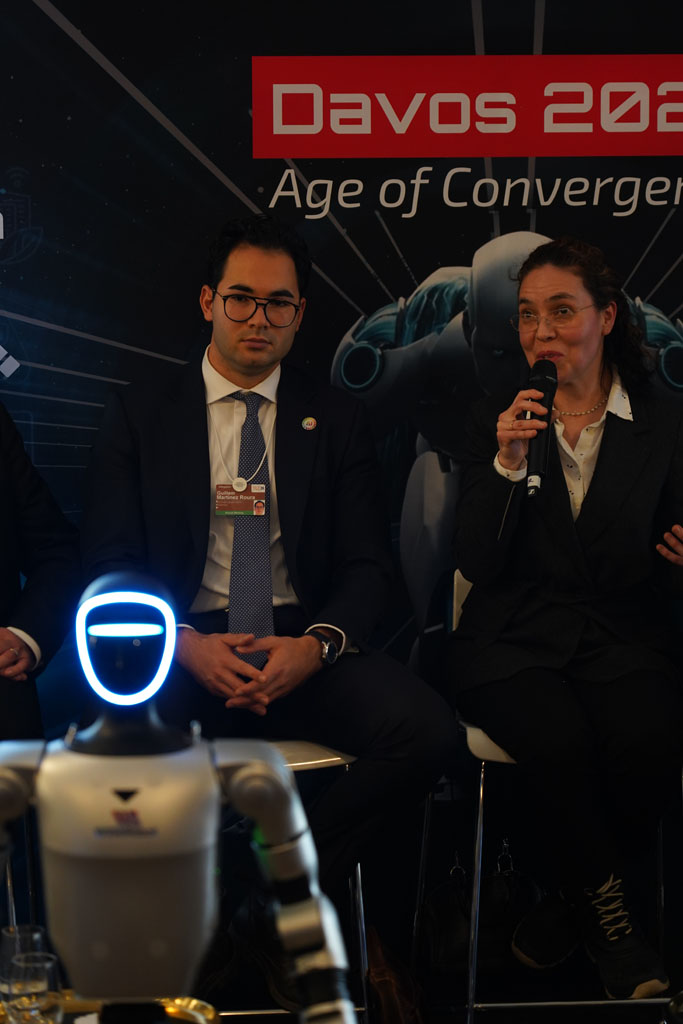
Guillem Martinez Roura is the Artificial Intelligence and Robotics Programme Officer at the International Telecommunication Union (ITU), the United Nations specialized agency for digital technologies. He leads strategic initiatives that shape the role of AI and robotics in tackling global challenges, fostering international collaboration on capacity building, standards and policy. His work is dedicated to ensuring that AI and robotics are harnessed to serve humanity and support inclusive, sustainable progress worldwide.
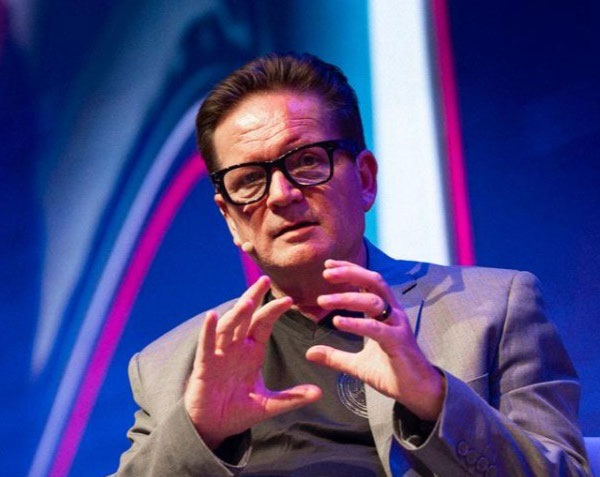
Philippe Gerwill
Digital Health Key Opinion Leader, Humanist & Futurist
Philippe Gerwill is a globally recognized Digitalization Humanist, Futurist, and Innovation
Key Opinion Leader focused on driving human-centric transformation in healthcare. With
nearly 30 years of senior global experience in the pharmaceutical and specialty chemicals
sectors including 15 years at Novartis, he now advises governments, startups, and
corporations across five continents.Philippe helps shape ethical and impactful strategies around Artificial Intelligence, Digital
Health, the Metaverse, Blockchain, and IoT. He currently serves as an executive advisor,
board member, or consultant in regions including Europe, the Middle East, Africa, Asia,
Oceania, and the Americas, with a strong emphasis on healthcare innovation and AI-enabled
transformation.
A multi-awards winning sought-after international keynote and TEDx speaker, Philippe is
also an Adjunct Professor at the Rome Business School, where he teaches Artificial
Intelligence, Big Data, and Data Science for Digital Health Management and Clinical
Decision Support.
Now in early retirement, he is dedicated to giving back, mentoring the next generation of
innovators, advocating for diversity and inclusion in tech, and promoting interdisciplinary
collaboration to address urgent global health challenges.
Media